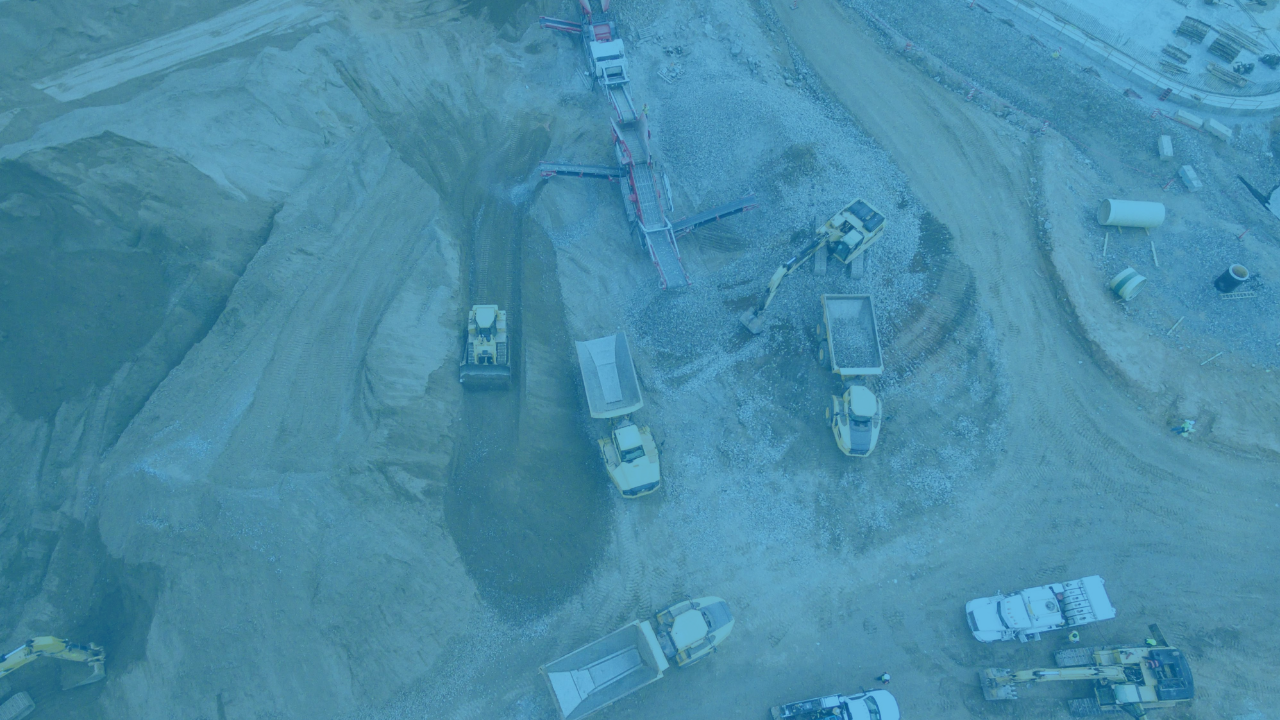
In the Australian mining sector, operational data is the most valuable resource next to the minerals themselves. From geological exploration to logistics and shipping, vast quantities of data are generated at every stage. However, this data often exists in disconnected silos, preventing a unified view of the entire pit-to-port value chain. Breaking down these silos is the key to unlocking new levels of efficiency, predictive power, and strategic advantage. Integrating your data creates a seamless flow of information, transforming isolated data points into actionable, real-time insights that drive smarter decisions.
The Problem with Data Silos in Mining
The traditional pit-to-port model is a sequence of distinct operational stages: exploration, extraction, processing, and transportation. Each stage typically uses its own specialised systems and software, leading to fragmented data landscapes. This separation creates several challenges:
- Reactive Maintenance: Without integrated data, maintenance schedules are often based on fixed intervals or equipment failure. This leads to unexpected downtime and lost production.
- Inefficient Supply Chains: A lack of real-time visibility between the mine site and the port makes it difficult to coordinate operations. This can result in logistical bottlenecks, such as stockpiles overflowing or ships waiting at port, incurring significant demurrage costs.
- Limited Production Optimisation: When operational data is siloed, it’s nearly impossible to see how adjustments in one area affect the entire value chain. This prevents managers from making holistic decisions that could increase overall production.
Unlocking Synergy with Integrated Data
When data flows freely across the pit-to-port value chain, organisations can move from a reactive to a proactive operational model. An integrated data platform provides a single source of truth, enabling powerful new capabilities.
Predictive Maintenance
By combining sensor data from extraction equipment with processing plant metrics, operators can shift to a predictive maintenance strategy. AI and machine learning algorithms can analyse this integrated data to identify subtle patterns that indicate an impending equipment failure. This allows maintenance to be scheduled proactively, minimising unplanned downtime and maximising asset availability.
Optimised Supply Chains
Real-time integration between mine production schedules, stockpile levels, rail schedules, and port operations allows for a fully optimised supply chain. If a delay occurs at the mine, logistics can be adjusted instantly to prevent downstream disruptions. This ensures a smooth, continuous flow of resources from the mine to the customer, reducing costs and improving reliability.
Increased Production and Efficiency
With a complete view of the value chain, managers can identify and address inefficiencies that were previously hidden. For example, by correlating data from the processing plant with the geological information from the mine, operators can adjust processing parameters in real-time to match the specific characteristics of the ore. This leads to higher recovery rates and improved overall output.
Leveraging the Microsoft Stack for Interoperability
Achieving true pit-to-port integration requires a technology platform that prioritises interoperability. The Microsoft ecosystem, including Azure, Power Platform, and Microsoft 365, offers a powerful and scalable foundation for building a unified data solution.
- Microsoft Azure provides robust cloud infrastructure to securely store and process vast amounts of operational data from various sources.
- Microsoft Power BI enables the creation of dynamic, real-time dashboards that visualise the entire value chain, from extraction rates to shipping schedules.
- Power Apps and Power Automate allow for the rapid development of custom applications and automated workflows that connect disparate systems and streamline processes without extensive coding.
By leveraging these tools, mining companies can create a cohesive digital environment where data from different systems works in harmony, providing a comprehensive and actionable view of operations.
Build your Integrated Future
The transition from data silos to a synergistic, integrated system is no longer just an ambitious goal; it is a critical step for remaining competitive. By creating a unified view of the pit-to-port value chain, mining organisations can unlock significant improvements in efficiency, safety, and profitability. Embracing an integrated data strategy enables the real-time, data-driven insights needed to navigate the complexities of modern mining.
If your organisation is ready to break down its data silos and build a more connected and efficient future, Acclario IT can help. We specialise in leveraging the Microsoft stack to deliver tailored solutions that integrate your systems and empower your teams.